

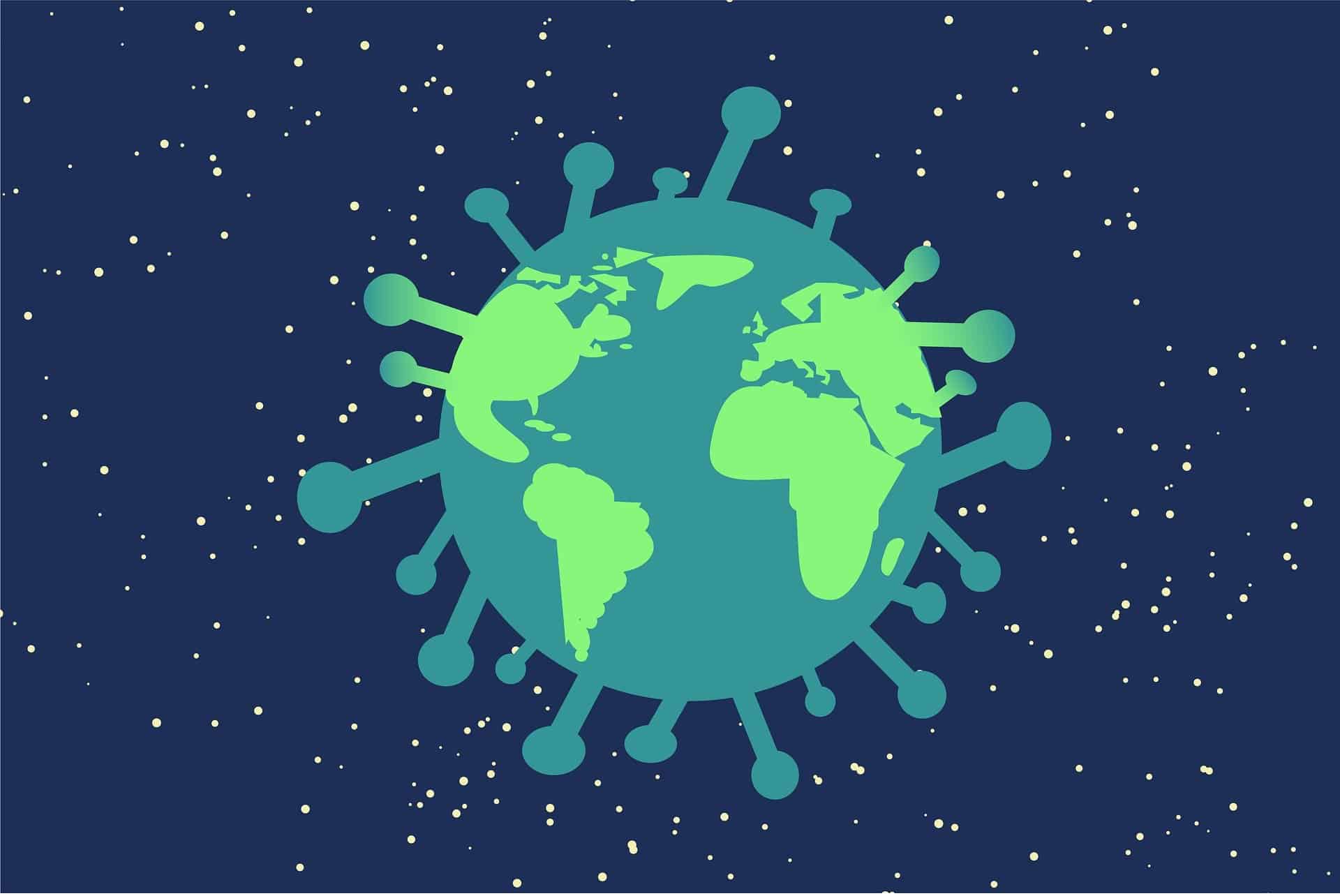
How COVID-19 Impacts Our Hair Health
Advice and care
Following the many inquiries we have received through social media, as well as requests from professionals seeking to support their clients regarding the hair issues observed as a result of lockdown and COVID-19, we decided to consult our collaborator Rafael Cebaqueva. This is what he shared with us:
In recent months, there has been an increase in conditions that we expected to rise during lockdown. We had already mentioned this in previous discussions with you. This was anticipated because healthcare professionals reported that the body’s response to the virus includes, among other effects, an intense immune response impacting the respiratory system, as well as an imbalance in many of the body’s main systems—including the integumentary system, which comprises the scalp and its appendages.
These alterations appear mainly in symptomatic individuals, but also affect many of us to varying degrees due to uncertainty and the impact of the situation, as well as the worsening of pre-existing conditions—often aggravated by emotional factors and the interruption of TR10 treatments.
I would like to emphasize that, for many clients, thanks to the use of TR10 treatment, symptoms have not been as severe. This is because we have been able to improve both follicular strength and related systems. It is important to note that TR10 does not prevent these conditions, but it does help restore scalp balance and mitigate their progression.
Our approach and perspective are based on both our experience and the observation of ongoing research that links telogen effluvium with adverse reactions to COVID-19, as referenced in scientific sources such as ELSEVIER, publications from Ramón y Cajal Hospital, and other leading institutions. However, above all, we rely on the evidence provided by our results.
For this reason, monitoring clients experiencing symptoms of various hair conditions is essential—such as alopecia areata, reticular areata, diffuse alopecia, triangular alopecia, as well as hyper-reactive scalps, psoriatic outbreaks, seborrheic dermatitis plaques, and other symptoms.
When addressing these conditions through protocols designed for sporadic cases, the response has generally been positive. However, we always recommend personalizing treatments based on symptom progression. Under these circumstances, we suggest approaching treatments in two ways: sporadic protocols and preventive protocols.
To better understand the different causes and levels of impact, we divide client profiles into two groups:
1. Symptomatic individuals with more or less severe conditions, as well as asymptomatic individuals who tested positive.
2. Non-infected individuals experiencing high levels of stress and uncertainty.
1. Symptomatic individuals
In our opinion, three main factors have contributed:
a) Immune response:
This response triggers inflammatory processes that can disrupt multiple body systems, particularly the respiratory system. The resulting imbalance directly affects the natural hair cycle.
b) Medication used to treat the disease:
Antivirals, corticosteroids, antibiotics, etc., may have side effects that impact the hair cycle, especially depending on dosage and duration.
c) Isolation, care conditions, and HIGH STRESS:
Emotional state has a significant impact on the scalp—especially during times of uncertainty and social and health-related stress. In a general context, this is the most influential factor, as emotional responses vary greatly between individuals. Prolonged emotional imbalance activates mechanisms that negatively affect hair health.
Due to the combination of these factors, symptoms of significant scalp conditions tend to appear after one and a half to three months, varying by individual but generally aligning with the previously mentioned conditions.
For asymptomatic individuals, the main cause of hair-related symptoms is the high level of stress and anxiety associated with fear of developing symptoms or complications.
2. Non-infected individuals
Those who have experienced high levels of anxiety have also shown varying degrees of hair conditions. Although some appeared during lockdown or shortly after, a higher incidence has been observed approximately two months after resuming normal activities.
Given the ongoing social and health context, which demands greater emotional stability, we recommend focusing on preventive treatments, even if no symptoms are currently present. This approach also helps mitigate the effects of seasonal changes on the hair follicle.
For all these reasons, the scalp needs to be strengthened in order to better withstand the effects of these conditions.
At TR10, in collaboration with Rafael Cebaqueva, we remain at your disposal to answer any questions you may have through our website or social media.
We will select the most relevant queries and address them anonymously in a future blog post, with the aim of helping professionals and clients alike.






 by
by